


Masonry

What is Masonry

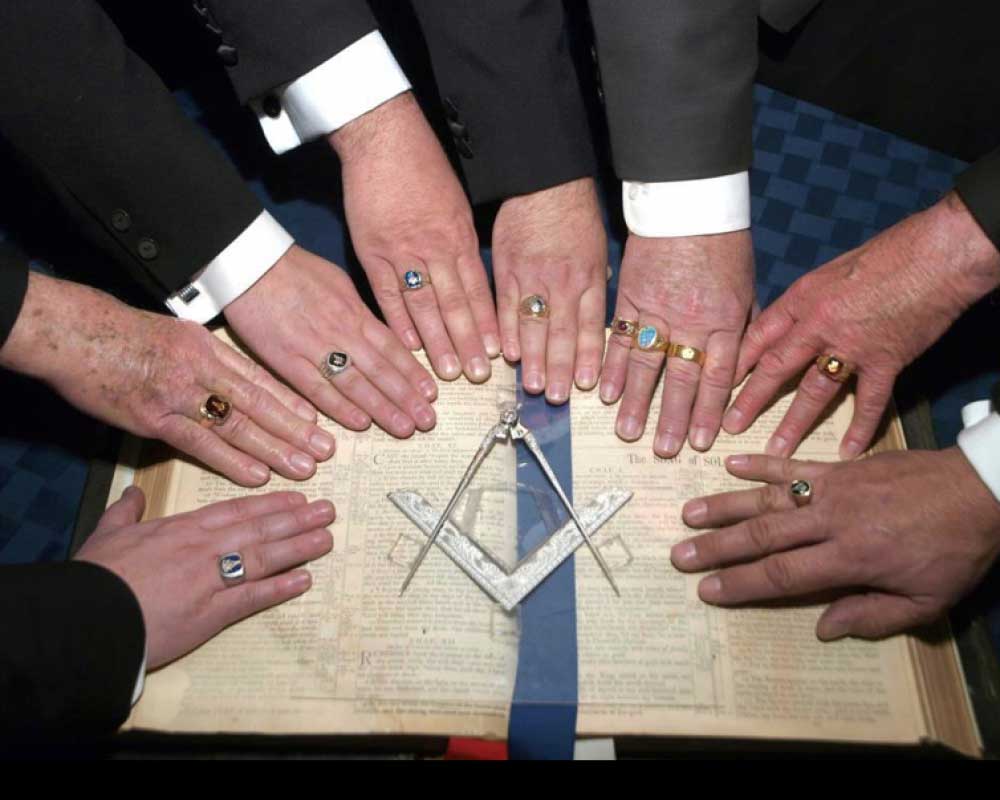
Freemasonry is one of the world’s oldest and largest fraternal organizations, centered on principles of morality, integrity, and brotherhood. It brings together men of diverse backgrounds who share a commitment to self-improvement, ethical conduct, and service to others. Rooted in centuries-old traditions and symbolism, Freemasonry uses rituals and teachings to encourage members to reflect on personal values, cultivate wisdom, and build a stronger character. Masonic lodges provide a supportive community where members pursue knowledge, engage in charitable work, and form meaningful, lasting friendships. Though often associated with symbols like the square and compass, Freemasonry’s true focus lies in fostering a community of men dedicated to making a positive impact on themselves and society.
Masonic History

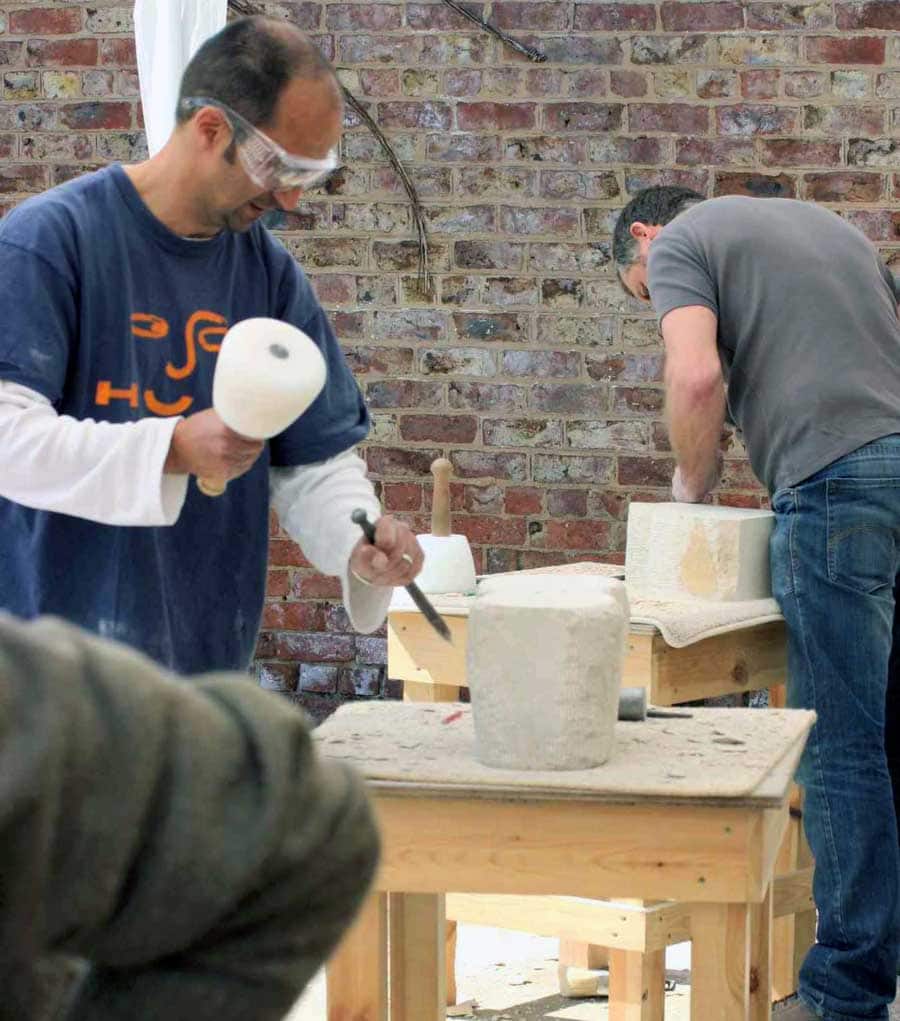
Freemasonry traces its origins back to the medieval stonemasons’ guilds of Europe, particularly those who constructed the grand cathedrals and castles of the Middle Ages. These skilled craftsmen formed associations, or “lodges,” to regulate their trade, protect their secrets, and support one another in an era when craftsmanship was prized. During the 17th and 18th centuries, these operative stonemason lodges began to accept “speculative” members—individuals who were not craftsmen but who were drawn to the philosophical and moral ideals of the guilds. The first Grand Lodge was established in London in 1717, marking the formal organization of Freemasonry as we know it today. Freemasonry has since spread globally, evolving into a society that transcends borders and cultures, and has played a role in social movements, charitable work, and the personal development of millions of men around the world.

Interested in joining St John’s Masonic Lodge?

Contact the Lodge secretary for details and to arrange an initial interview.